Introduction to Steel Access Covers
Steel access covers are crucial components utilized within various construction projects, primarily designed to provide access to utilities and maintenance areas while ensuring safety and durability. These covers are engineered to protect the openings that allow entry to essential services, such as plumbing, electrical systems, and other underground infrastructures, contributing significantly to the operational efficiency of a construction site.
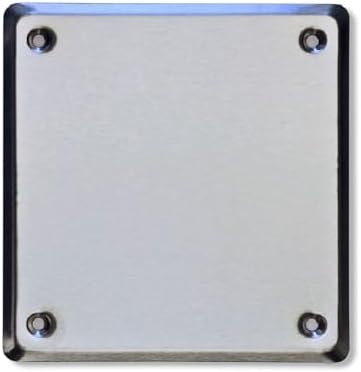

The significance of steel access covers in the construction industry cannot be overstated. They serve multiple purposes, including facilitating maintenance of underground utilities and offering protection from environmental elements or potential hazards. By creating a secure barrier, these covers prevent accidental falls, unauthorized access, and debris infiltration, thus enhancing safety for both workers and the general public.
Access covers can be found in a myriad of applications across urban landscapes, including roadways, sidewalks, and within commercial buildings. In roadways, steel access covers allow for convenient inspections and maintenance of underground utilities without disrupting surface operations. On sidewalks and pedestrian areas, they maintain both accessibility and safety, ensuring that essential services can be reached without compromising the integrity of the walking surface. Commercial buildings frequently implement access covers to manage utilities while adhering to building codes and ensuring efficient space utilization.
In addition to their practical functions, steel access covers are designed to withstand heavy loads and extreme weather conditions, which is why they are often chosen over alternatives like plastic or fiberglass. The material’s durability and resistance to corrosion make it a reliable choice for long-term applications, ultimately supporting the infrastructure’s lifespan and effectiveness.
Types of Steel Access Covers
Steel access covers play a crucial role in construction, providing essential access to underground utilities while ensuring safety and durability. The types of steel access covers can be categorized based on material quality, shape, and specific applications, which include heavy-duty, light-duty, traffic-rated, and non-traffic rated options.
Heavy-duty steel access covers are designed to endure substantial loads and are typically used in roadways, parking areas, or locations where heavy equipment might traverse. These covers are constructed from high-grade steel, allowing them to withstand extreme stress and impact without deformation. Their robust design makes them suitable for environments with high traffic or heavy machinery, ensuring longevity and safety.
On the other hand, light-duty steel access covers are suitable for applications with lighter load requirements. These covers are often utilized in pedestrian areas or light vehicle pathways, featuring a less robust construction while still providing adequate protection and access. While not designed for heavy loads, these covers can efficiently serve their purpose in environments that do not experience significant vehicular traffic.
Traffic-rated steel access covers are specifically engineered for areas that require enhanced strength, such as roads or areas where heavy traffic is expected. These covers are tested to comply with industry standards for load-bearing capacities, often displaying markings that indicate their maximum load rating. For projects demanding strict compliance with transportation regulations, selecting traffic-rated covers becomes imperative.
Conversely, non-traffic rated steel access covers are utilized in environments where there is little to no vehicular traffic, such as landscaping or green spaces. They offer excellent access for maintenance activities yet do not need the same level of robustness as their traffic-rated counterparts. Understanding the strengths and weaknesses of each type allows construction professionals to select the most appropriate steel access covers for their projects, ensuring efficacy and safety in utility access.
Benefits and Advantages of Using Steel Access Covers
In the realm of construction, the choice of materials significantly impacts the overall performance and longevity of structural components. Steel access covers stand out due to their multitude of benefits that enhance both safety and functionality on construction sites. Firstly, the durability of steel is one of its most significant advantages. Steel access covers are designed to withstand harsh environmental conditions, including extreme temperatures and heavy loads, thereby ensuring their longevity and effectiveness.
Moreover, the load-bearing capacity of steel access covers is commendable, making them ideal for high-traffic areas such as roadways and industrial settings. They can accommodate considerable weights without compromising integrity, which is pivotal in maintaining safety standards. Construction projects benefit significantly from this feature as it minimizes the risk of cover failure, which could lead to accidents and costly repairs.
Additionally, steel provides excellent resistance to environmental factors such as moisture and corrosive substances, especially when treated with protective coatings. This resistance not only prolongs the life of the access covers but also reduces maintenance costs over time. Regular inspections may be necessary, but the required upkeep is generally less frequent compared to covers made from less durable materials.
Safety features are another essential aspect where steel access covers excel. They can be designed with anti-slip surfaces and secure locking mechanisms, reducing the risk of accidents when accessing underground utilities or other critical infrastructure. In terms of cost-effectiveness, while the initial investment in steel access covers might be higher than alternatives, their durability and lower maintenance requirements ensure financial efficiency over the long term.
Therefore, opting for steel access covers in construction projects is a prudent decision, offering notable advantages in longevity, load-bearing capacity, environmental resilience, and safety. These features inherently contribute to the overall efficiency and success of construction endeavors.
Choosing the Right Steel Access Cover for Your Project
Selecting the appropriate steel access cover for a construction project requires careful evaluation of several critical factors. One of the foremost considerations is the load requirements of the specific application. Steel access covers are available in varying load ratings, making it essential to match the cover’s strength to the intended traffic levels. For instance, covers in areas with heavy vehicles will necessitate a higher load-bearing capacity compared to those intended for pedestrian areas.
Environmental conditions also play a pivotal role in this selection process. Exposure to moisture, chemicals, and extreme temperatures can influence the durability and long-term performance of steel access covers. Therefore, it is vital to choose covers treated with protective coatings to resist rust and corrosion, especially in regions experiencing harsh weather or chemical exposure.
Regulatory standards should not be overlooked, as different locations might have specific codes governing the installation of access covers. Familiarity with local regulations ensures compliance and promotes safety, thereby reducing liability risks. This includes understanding the necessary fire ratings, anti-slip surfaces, and any other specific requirements outlined by local building authorities.
Budget constraints are another important factor in making an informed decision. It is essential to balance quality with cost, ensuring that the selected cover not only fits the budget but also meets performance expectations. Investing in high-quality steel access covers may yield long-term savings by reducing maintenance and replacement costs.
For sourcing high-quality steel access covers, consider reputable manufacturers known for their adherence to industry standards. Additionally, ensuring proper installation practices can significantly enhance the performance and safety of access covers, prolonging their service life. Engaging experienced professionals for this task ensures that covers are installed correctly, alleviating issues that may arise over time. By carefully evaluating these aspects, project managers can make informed choices that ensure the effective utility of steel access covers within their projects.