List of Steel Cover Manufacturers and Suppliers in the World
1. ArcelorMittal
- Address: Boulevard d’Avranches, 12, 14400, Saint-Michel-sur-Orge, France
- Website: https://corporate.arcelormittal.com
- Email: info@arcelormittal.com
2. Nippon Steel Corporation
- Address: 1-8, Shintomi 2-chome, Chuo-ku, Tokyo 104-8163, Japan
- Website: https://www.nipponsteel.com
- Email: info@nipponsteel.com
3. POSCO
- Address: 440, Teheran-ro, Gangnam-gu, Seoul 06194, South Korea
- Website: https://www.posco.com
- Email: contact@posco.com
4. Baosteel Group Corporation
- Address: No. 260, Gonghexin Road, Baoshan District, Shanghai 200940, China
- Website: http://www.baosteel.com
- Email: info@baosteel.com
5. Tata Steel
- Address: Bombay House, Homi Modi Street, Fort, Mumbai 400001, India
- Website: https://www.tatasteel.com
- Email: info@tatasteel.com
6. Thyssenkrupp AG
- Address: Thyssenkrupp Allee 1, 45143 Essen, Germany
- Website: https://www.thyssenkrupp.com
- Email: info@thyssenkrupp.com
7. JFE Steel Corporation
- Address: 2-10 Shin-yokohama, Kohoku-ku, Yokohama-shi, Kanagawa 222-0033, Japan
- Website: https://www.jfe-steel.co.jp
- Email: info@jfe-steel.co.jp
8. US Steel (United States Steel Corporation)
- Address: 600 Grant Street, Pittsburgh, PA 15219, USA
- Website: https://www.ussteel.com
- Email: info@ussteel.com
9. Severstal
- Address: Leninsky Prospekt 95A, Moscow 119049, Russia
- Website: https://www.severstal.com
- Email: info@severstal.com
10. Salzgitter AG
- Address: Salzgitterplatz 1a, 38239 Salzgitter, Germany
- Website: https://www.salzgitter-ag.de
- Email: info@salzgitter-ag.de
Note: For detailed inquiries or specific product information regarding steel covers or related products from these manufacturers and suppliers, it is recommended to contact them directly through their official websites or provided email addresses.
Introduction to Steel Covers
Steel covers play a crucial role in the construction and infrastructure sectors, serving as essential components that provide an array of functions. These covers are typically utilized in various applications, including access points, inspection holes, and drainage systems. By offering safe and secure coverage, steel covers ensure that these vital areas remain protected while facilitating necessary access for maintenance and operation purposes.

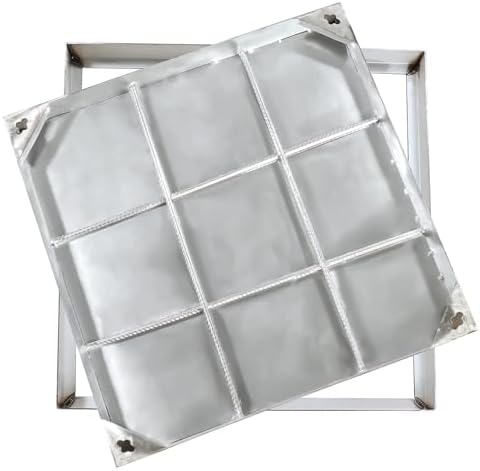
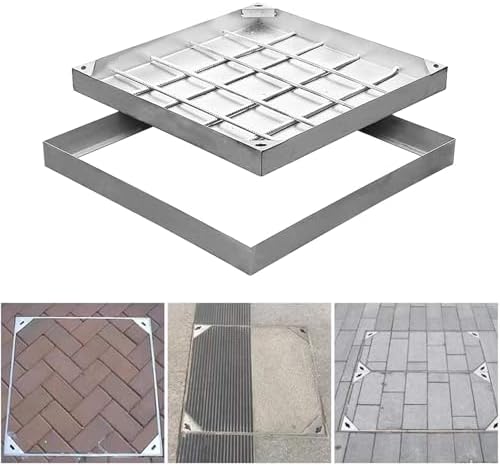
The significance of steel covers in building applications stems from their reliable performance and durability. Steel, a material renowned for its high tensile strength and structural integrity, is capable of withstanding heavy loads and impacts. This innate strength makes steel covers particularly well-suited for high-traffic areas, where they must endure considerable wear and tear. Additionally, the resistant properties of steel ensure that these covers can handle exposure to the elements, such as moisture and extreme temperatures, which can compromise the performance of other, less robust materials.
Furthermore, steel covers are often designed with specific features that enhance their functionality. For instance, many steel covers come equipped with anti-slip surfaces, ensuring safety in wet or hazardous conditions. They can also be engineered to meet specific load ratings, thus accommodating the unique demands of each application. Moreover, the versatility of steel allows for customization in terms of size, shape, and finish, permitting seamless integration with different infrastructure designs.

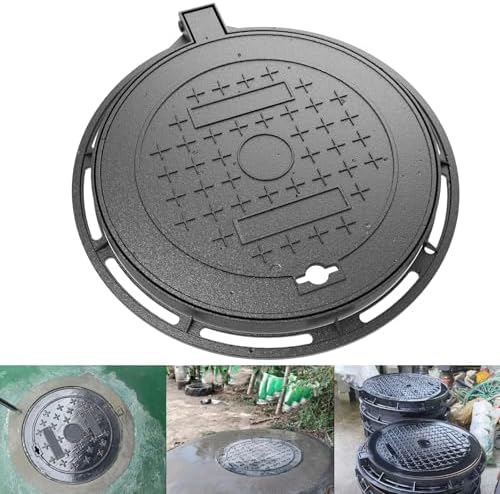
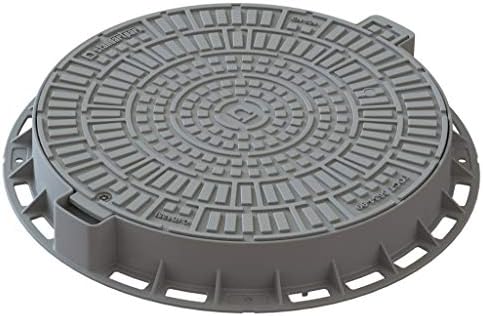
Overall, the choice of steel as a material for covers in construction reflects its exceptional properties. The combination of strength, durability, and environmental resistance makes steel an advantageous option for various building applications. In the following sections, we will further explore the benefits and specific characteristics of both galvanized and stainless steel covers to understand their unique advantages in greater detail.
Galvanised Steel Covers: Features and Benefits
Galvanised steel covers are a popular choice in building applications due to their remarkable durability and cost-effectiveness. The galvanisation process, which involves coating steel with a layer of zinc, provides a protective barrier against elements that can lead to corrosion. This added layer significantly enhances the lifespan of steel, making it an ideal material for critical infrastructure components.
One of the primary advantages of galvanised steel covers is their corrosion resistance. In environments where exposure to moisture and chemicals is common, such as roadside drainage systems or industrial settings, galvanised steel acts as a reliable shield. The zinc layer reacts with surrounding moisture to form a protective patina, continuously preventing rust even if the outer layer is scratched. Thus, galvanised steel covers remain effective and maintain structural integrity over time.
Besides resistance to corrosion, galvanised steel’s strength is another compelling feature that makes it favourable in construction. These covers can withstand heavy loads, making them suitable for high-traffic areas. Whether utilized for manhole covers, drainage grates, or floor plates, the robust nature of galvanised steel ensures safety and efficiency in public and industrial spaces.
In terms of application, galvanised steel covers are widely seen in roadside drainage systems, where reliable water management is critical. Moreover, they are extensively used in various industrial environments, including factories and warehouses, where heavy machinery and materials are constantly moved. Despite their advantages, proper maintenance is essential to maximize the longevity of galvanised steel covers. Regular inspections for wear and tear, combined with touch-ups to any exposed steel, will significantly prolong their functionality.
Stainless Steel Covers: Advantages and Applications
Stainless steel covers are increasingly favoured in various building applications due to their unique characteristics that address both functional and aesthetic needs. One of the primary advantages of stainless steel is its high corrosion resistance, which is essential in environments prone to moisture and other corrosive elements. Unlike galvanised steel, which is coated with a layer of zinc that can wear away, stainless steel maintains its protective qualities over time, making it more suitable for long-lasting installations.
In addition to corrosion resistance, stainless steel offers an aesthetic appeal that enhances the visual aspects of building designs. Its sleek and modern finish is increasingly sought after in both commercial and residential applications, contributing to a polished look that can elevate the overall appearance of a structure. This is particularly attractive in settings where public perception is crucial, such as in food processing and healthcare facilities.
Stainless steel covers also excel in hygienic environments, an essential factor in sectors such as food processing, pharmaceuticals, and healthcare. The smooth, non-porous surface of stainless steel inhibits the growth of bacteria and other pathogens, making it easier to maintain cleanliness and meet stringent sanitation standards. For instance, a food processing plant may utilize stainless steel covers in its cooling systems to ensure that sanitary conditions are upheld, illustrating the material’s practicality in real-world scenarios.
Comparatively, while galvanised steel may be suitable for less critical applications, its susceptibility to rust and corrosion in environments with high moisture levels limits its effectiveness. Thus, selecting stainless steel covers, especially for applications involving food or medical products, is advisable where durability, hygiene, and aesthetic value are priorities. This choice ultimately contributes to the longevity and safety of building applications.


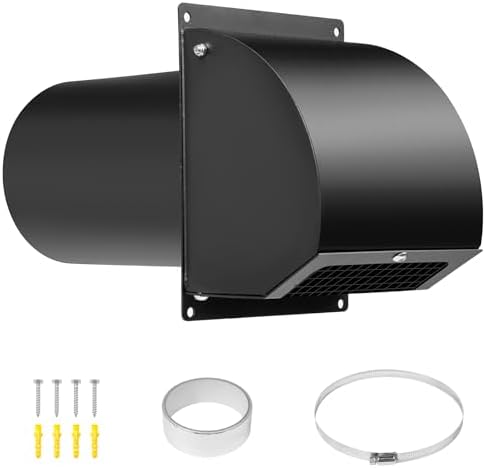
Choosing the Right Steel Cover for Your Project
When determining the most suitable steel cover for a building application, several factors must be considered to ensure the chosen material aligns with specific project requirements. The environmental conditions in which the cover will be used play a critical role in this decision-making process. Galvanised steel, with its protective zinc coating, is ideal for environments prone to moisture and corrosion, making it suitable for outdoor applications or areas with high humidity. In contrast, stainless steel is renowned for its superior corrosion resistance and is often preferred in harsh chemical environments or marine applications.
Aesthetic requirements are another key consideration. Stainless steel offers a sleek, modern appearance that is often desired in high-end architectural designs. Galvanised steel, while functional and durable, typically has a more utilitarian appearance, which may be suitable for less visible applications. Depending on the project’s design vision, the aesthetic characteristics of each steel type can significantly influence the selection process.
Maintenance needs should also factor into the decision. Galvanised steel requires periodic inspections to ensure its protective layer remains intact, while stainless steel is generally low maintenance, needing only routine cleaning to preserve its lustre and prevent staining. Prospective buyers must weigh these maintenance demands against their resources and capabilities to handle ongoing upkeep.
Finally, budget constraints cannot be overlooked. Galvanised steel is generally more cost-effective than stainless steel, making it an attractive option for projects with tighter financial parameters. However, considering the longevity and reduced maintenance needs of stainless steel may justify its higher upfront cost in the long run. Evaluating these different factors will enable stakeholders to make informed decisions that align with their project’s specific requirements and ensure the selected steel covers serve their intended purpose effectively.
Contact information — Please use contact form on http://www.abshot.com/contact/