Introduction to Stainless Steel Covers
Stainless steel covers are essential components in modern construction and architectural design, offering an array of benefits that enhance both functionality and appearance. These covers play a crucial role in protecting various building elements, ensuring longevity while providing an aesthetically pleasing finish. Commonly used in applications such as facades, railings, and flooring, stainless steel covers are recognized for their versatility and effectiveness.
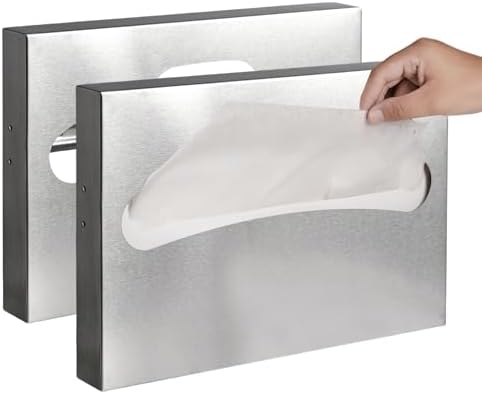

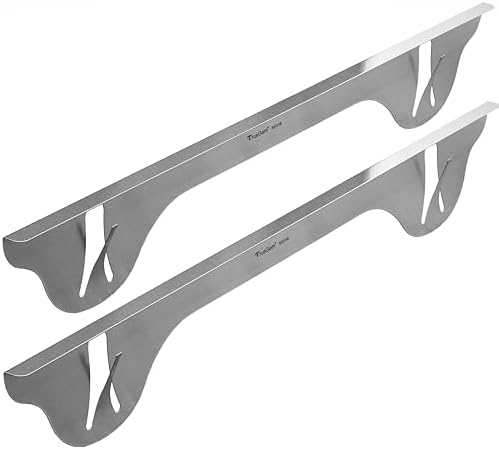
One of the primary advantages of stainless steel as a material is its exceptional durability. Unlike many traditional building materials, stainless steel does not succumb easily to wear and tear, maintaining its structural integrity over time. This durability is complemented by its remarkable corrosion resistance, which is particularly beneficial in environments exposed to moisture or harsh weather conditions. The ability of stainless steel to resist oxidation and rust makes it a preferred material in both interior and exterior applications.
Furthermore, the aesthetic appeal of stainless steel cannot be overlooked. Its sleek and modern appearance contributes to contemporary architectural designs, aligning with current trends that favor minimalism and sophistication. The reflective surface of polished stainless steel covers adds an element of elegance to buildings, enhancing their overall visual impact.
In addition to its physical properties, stainless steel is also an environmentally friendly option. It is 100% recyclable, reducing the need for new materials and minimizing waste. This sustainability aspect, combined with its performance characteristics, makes stainless steel an increasingly popular choice among architects and builders.
In conclusion, the use of stainless steel covers in building works highlights its significance in creating durable, appealing, and sustainable structures. As the construction industry evolves, the prominence of stainless steel is likely to grow, affirming its position as a vital material in modern buildings.
Types of Stainless Steel Covers
Stainless steel covers are integral components in building projects, serving various functional and aesthetic purposes. This section discusses several types of stainless steel covers commonly utilized in construction.
Wall Covers: These covers provide protection and aesthetic appeal to vertical surfaces in buildings. Typically installed in high-traffic areas, wall covers can inhibit damage from impact and moisture, thanks to the corrosion-resistant nature of stainless steel. They come in various designs and finishes, allowing for flexibility in both modern and traditional architecture.
Ceiling Covers: Ceiling covers serve to enhance the visual appeal of lower overhead spaces while also protecting mechanical structures such as pipes and wiring. Often, these covers are used in commercial buildings where aesthetics matter, but functionality is also critical. Specific designs can enhance acoustic qualities or integrate lighting, making them a versatile choice.
Floor Covers: Used primarily for protection against wear and tear, stainless steel floor covers are essential in areas subject to heavy foot traffic or exposure to harsh environmental conditions, including workshops and kitchens. These covers can be designed to be slip-resistant, significantly improving safety. Additionally, they provide an effective barrier against staining and chemical damage.
Custom Covers: Tailor-made stainless steel covers offer the flexibility necessary to address unique design requirements or specific site conditions. These custom solutions may encompass numerous uses, ranging from outdoor installations to specialized industrial applications. While typically more costly than standard options, their ability to meet precise specifications can lead to significant long-term benefits.
In assessing the various types of stainless steel covers, it is important to consider the specific requirements of a project, including durability, maintenance, and aesthetic alignment with the overall design of the building.
Factors to Consider When Choosing Stainless Steel Covers
When selecting stainless steel covers for building works, several key factors need to be considered to ensure functionality, durability, and aesthetic appeal. The environmental conditions under which the stainless steel covers will be used play a significant role in the decision-making process. For instance, coastal areas with high humidity and salt exposure may necessitate the use of higher-grade stainless steel, such as 316, which offers superior corrosion resistance compared to other grades. This choice can significantly prolong the service life of the cover.
Another important consideration is the load-bearing capacity required for the stainless steel cover. Depending on its application, the cover might need to support various weights, ranging from pedestrian traffic to heavy vehicles. Therefore, it is crucial to evaluate the anticipated load and select a cover that meets or exceeds the necessary specifications to ensure safety and performance.
Maintenance requirements are also pivotal in choosing the right stainless steel covers. Some grades and finishes may require more frequent cleaning and maintenance to preserve their appearance and functionality. For example, brushed finishes might show fingerprints and smudges more easily than mirror finishes. Understanding the maintenance implications can help in selecting a cover that aligns with the owner’s capabilities and preferences.
Finally, aesthetic preferences cannot be overlooked. The visual aspect of stainless steel covers can influence the overall design theme of a building. Different finishes and textures can complement various architectural styles, making it essential to choose a cover that merges well with the existing or proposed design. By considering these factors—environmental conditions, load-bearing requirements, maintenance needs, and aesthetic preferences—decision-makers can select the most appropriate stainless steel covers for their building projects.
Installation and Maintenance of Stainless Steel Covers
Installing stainless steel covers requires carefully adhering to specific procedures to ensure their longevity and functionality. The installation process typically begins with a thorough assessment of the area where the cover will be placed. It is essential to ensure that the substrate is clean, level, and free from debris, as any irregularities can lead to structural issues. Pre-measured dimensions should be verified to ensure a perfect fit, as stainless steel covers are usually customized to meet the project’s specifications.
During installation, proper tools and equipment should be used. Recommended tools include a level, drill, and wrenches suited for the fasteners being employed. It is critical to follow the manufacturer’s guidelines on the installation procedure to prevent any damage to the stainless steel, which could compromise its protective qualities. Once installed, a visual inspection should be conducted to confirm that the cover is securely fastened and properly aligned.
Maintenance of stainless steel covers is equally important. Regular upkeep includes cleaning the covers to eliminate any contaminants that may lead to corrosion. Using a mild detergent and soft cloth, one can remove dirt and grime without damaging the stainless finish. Additionally, inspecting for any signs of wear, such as scratches or loose fittings, can help in early identification of potential issues.
Common problems that may arise include rust formation, particularly when the protective layer is compromised. To mitigate such issues, applying a suitable stainless steel cleaner or polish can restore the protective layer. Furthermore, addressing water pooling around the edges and ensuring proper drainage can help prolong the cover’s life. By following these best practices for installation and maintenance, the functionality and durability of stainless steel covers can be significantly enhanced throughout their service life.