Introduction to Galvanised Covers
Galvanised covers play a crucial role in building works, primarily serving as effective protective barriers for various installations. These covers are characterized by their unique construction, where metals are coated with a layer of zinc. This process, known as galvanization, is particularly significant due to the enhanced corrosion resistance it provides, enabling the effective management of harsh environmental conditions.

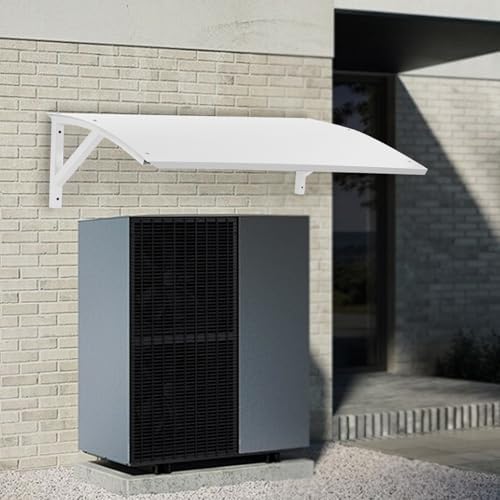

The galvanization process entails immersing the metal component in molten zinc, resulting in a metallurgical bond that shields the underlying material from oxidation. Over time, this coating minimizes the risk of rust and deterioration, making galvanised covers a preferred choice for construction applications. Their durability ensures that they remain functional in diverse environments, contributing to the longevity and integrity of structures.
In building works, galvanised covers are employed in a variety of contexts, from access hatches to drainage solutions, due to their resilience and adaptability. Their implementation not only protects individual elements but also fosters overall structural health, reducing maintenance requirements and costs over time. Building professionals often prioritize the use of galvanised covers, recognizing the added value they bring to projects.
The importance of adopting galvanised products cannot be overstated. As the construction industry increasingly seeks out sustainable and long-lasting materials, galvanised covers emerge as a critical component. Their role extends beyond simple coverage; they ensure safety and compliance with regulatory standards, highlighting their integral place in modern building practices.
Common Types of Galvanised Covers
Galvanised covers are essential components in building works, designed to protect various infrastructures and provide safe access to underground utilities. Among the prevalent types are flat galvanised covers, trench covers, and utility access covers. Each of these covers serves distinct purposes and is characterized by specific physical attributes suitable for various applications in construction.
Flat galvanised covers are widely used for covering non-traffic areas. These covers are typically lightweight and designed for easy installation. They provide protection against environmental factors, ensuring that the underlying structures, such as drainage systems or service ducts, are safeguarded while remaining accessible for maintenance. The smooth surface of flat galvanised covers also aids in aesthetic appeal, making them suitable for places where visual impact matters.
In contrast, trench covers are specifically engineered to span over trenches or open excavations. These covers are usually reinforced to withstand heavier loads, making them suitable for roadways or areas that experience significant pedestrian or vehicular traffic. The design of trench covers often includes anti-slip surfaces to enhance safety. They can be found in various shapes and sizes depending on the dimension of the trench they are intended to cover.
Utility access covers, on the other hand, provide secure access to underground utilities such as water, electricity, or gas lines. They are generally made from durable materials to prevent unauthorized access and to withstand extreme weather conditions. Utility access covers come equipped with locking mechanisms and are often marked for identification purposes. Their robust construction ensures both functionality and safety in urban environments, hence their critical role in maintaining infrastructure integrity.
In conclusion, the selection of the appropriate type of galvanised cover for specific applications in building works is crucial. Each type offers unique advantages tailored to meet different construction needs, contributing to the overall efficiency and safety of building projects.
Benefits of Using Galvanised Covers in Construction
Incorporating galvanised covers into construction projects provides a multitude of advantages that significantly enhance the longevity and performance of structures. One of the primary benefits is increased durability. Galvanised covers are made from steel that has undergone galvanization, involving a protective zinc coating that shields the metal from harsh environmental conditions. This process effectively extends the life of the material, making it a reliable choice for various applications in building works.
Another critical advantage is corrosion resistance. The zinc layer acts as a barrier to moisture, preventing rust and deterioration over time. This property is especially valuable in areas with high humidity or exposure to various substances that can contribute to corrosion. As a result, galvanised covers maintain their structural integrity, providing safe and reliable performance throughout the lifecycle of a building.
Low maintenance requirements further emphasize the practicality of using galvanised covers in construction. The robust nature of these materials means that they do not necessitate frequent replacements or extensive maintenance routines, thereby reducing the overall maintenance costs associated with building upkeep. This characteristic not only saves time but also makes project management more efficient.
From a financial perspective, the initial investment in galvanised covers may be slightly higher compared to other materials; however, their long-term cost-effectiveness cannot be overlooked. Given their extended lifespan, resistance to damage, and minimal maintenance needs, they ultimately contribute to reduced life-cycle costs. Additionally, the use of galvanised covers promotes sustainability in construction. By investing in durable, recyclable materials, project managers can reduce waste and promote environmentally responsible practices.
Moreover, safety is another aspect where galvanised covers excel. Their sturdiness and resistance to environmental factors ensure structural reliability, thereby enhancing workplace safety for construction workers and end-users alike. In conclusion, the multiple benefits of galvanised covers highlight their crucial role in modern construction, offering durability, corrosion resistance, low maintenance, cost-effectiveness, and improved safety.
Conclusion and Best Practices
In reviewing the myriad types of galvanised covers utilized in building works, we have highlighted their unique characteristics, benefits, and appropriate applications. These covers are crucial in ensuring long-lasting durability and protection against various environmental factors, thereby playing a pivotal role in infrastructure integrity.
When selecting galvanised covers for any building project, several factors must be considered to ensure optimal performance and compliance with local regulations. Load requirements are fundamental, as covers should be chosen based on the weight and type of traffic they will encounter. Understanding the anticipated load can aid in selecting the appropriate thickness and material grade of the galvanised cover.
Additionally, environmental exposure is another critical factor. Covers will need to withstand varying outdoor conditions, including exposure to moisture, chemicals, or heavy mechanical stress. It is advisable to evaluate the specific environmental conditions at the site to determine which type of galvanised cover would provide the best protection and longevity.
Compliance with local building codes is equally significant. Each region may have specific regulations governing the materials and installations of building components. Engaging with local authorities or industry standards is crucial to ensure that the selected galvanised covers meet all necessary requirements.
Finally, the maintenance and care of galvanised covers should not be overlooked. Regular inspection and cleaning help prevent rust build-up and prolong the lifespan of the covers. Adopting a proactive maintenance schedule can mitigate potential issues, ensuring that these essential components continue to serve their purpose effectively over time.
In conclusion, careful consideration of these factors will enable builders and contractors to make informed decisions, leading to successful project outcomes and enhanced safety in building environments.