






Steel covers are robust protective structures used in various applications across multiple industries, serving as essential components to enhance safety, maintenance, and functionality. These durable coverings are primarily manufactured from steel, which provides superior strength and longevity compared to alternative materials. Their prevalence in sectors such as construction, transportation, and utilities underscores their vital role in safeguarding infrastructure and ensuring operational efficiency.
The design and deployment of steel covers are critical in facilitating access to underground systems, such as utilities, water management facilities, or storage units. Their ability to resist deformation, corrosion, and impacts make them particularly suitable for heavy-duty applications where safety is paramount. In construction, for instance, they can be utilized to cover access points, trenches, and manholes, effectively securing these areas while allowing for necessary maintenance activities to take place.
Furthermore, steel covers serve as protective barriers that minimize potential hazards. By covering open excavations or hazardous materials, they prevent accidental injuries, thereby contributing to overall site safety. In many cases, these structures are also designed with user-friendly features such as openings for ventilation or integrated lifting mechanisms, which further enhance their utility and ergonomic design.
Moreover, steel covers can be engineered to meet specific industry standards, offering customized solutions tailored to the unique needs of various applications. This versatility makes them a favored choice among manufacturers and contractors who prioritize durability and safety in their projects. As we delve deeper into this guide, we will explore the different types and manufacturers of steel covers, highlighting their functional significance in more detail.
Types of Steel Covers
Steel covers are an essential component in various industries, serving multiple purposes while ensuring safety and durability. Among the most common types are manhole covers, drainage covers, floor access covers, and trench covers. Each type has specific applications and benefits, which cater to the diverse needs across different sectors.
Manhole covers are designed to close the openings of underground utilities, such as sewers, water lines, and electrical systems. Their primary function is to provide safe access while preventing unauthorized entry and ensuring that surrounding surfaces remain level. Typically constructed from cast iron or ductile iron, manhole covers are engineered to withstand heavy loads and are available in various designs to suit different locations and specifications.
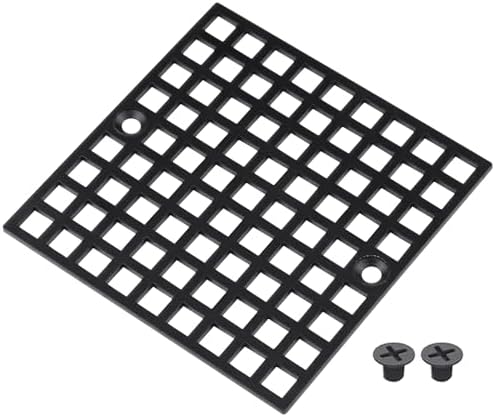
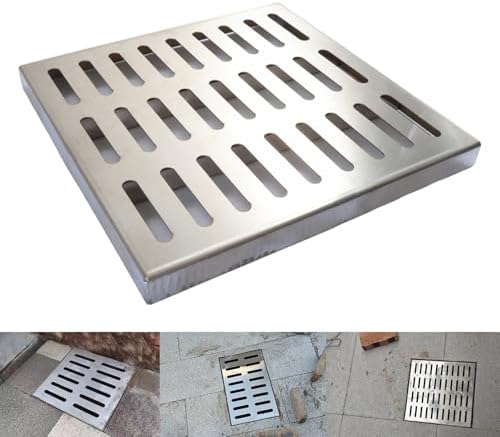
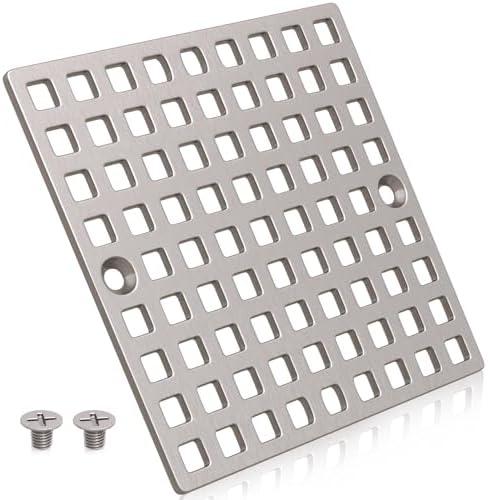
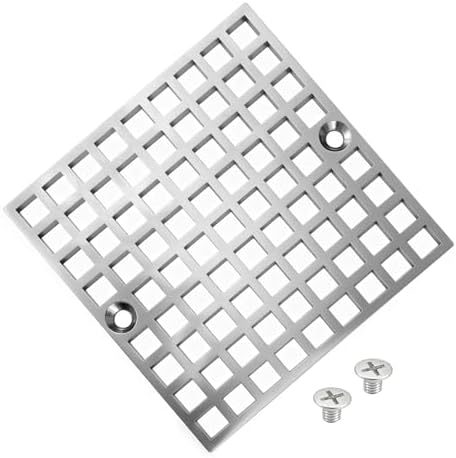
Drainage covers, on the other hand, are designed to manage surface water by preventing debris from clogging drainage systems. These covers are crucial for maintaining efficient water flow in sidewalks, roads, and other paved surfaces. They vary in design, including grates and solid tops, depending on the specific requirements of the drainage system they cover. It is important that these covers are strong enough to bear pedestrians’ or vehicles’ weight yet designed to allow for effective water drainage.
Floor access covers are utilized in buildings and facilities to provide access to utilities that are embedded in floors. These covers facilitate maintenance and inspections while maintaining aesthetic designs in commercial and industrial spaces. They can be made from various materials, including stainless steel and aluminum, and often have locking mechanisms for security.
Trench covers are installed over trenches that may hold electrical, plumbing, or other utilities, ensuring safety while allowing for access when needed. Their robust designs enable them to withstand significant loads, making them suitable for high-traffic areas. Options for trench covers vary, including solid panels and grate styles, catering to different environmental conditions.
Top Manufacturers of Steel Covers
Steel covers are integral components in various industries, providing essential protection and durability. When exploring the realm of steel cover manufacturers, several prominent names stand out due to their commitment to quality, innovation, and customer satisfaction. This section delves into some of the top manufacturers of steel covers worldwide, highlighting their unique offerings and industry stature.
One of the leading manufacturers is Acme Steel Company, renowned for its wide range of steel products. Established over 50 years ago, Acme specializes in heavy-duty steel covers for utility and industrial applications. The company prides itself on producing high-quality products with advanced manufacturing techniques, ensuring durability and performance under demanding conditions. Acme’s commitment to sustainability, coupled with various industry certifications, makes it a trusted name in the market.
Another notable manufacturer is Kingspan Group. With a strong presence in the global market, Kingspan has carved a niche for itself in energy-efficient steel cover solutions. Their focus on innovation is evident in their use of cutting-edge technology, which not only enhances the strength of their covers but also contributes to lower environmental impact. Kingspan’s rigorous testing and certification processes affirm their dedication to quality and reliability, making them a preferred choice for both residential and commercial applications.
Stainless Steel Covers Inc. also deserves mention for its specialization in corrosion-resistant steel products. Known for their significant investment in research and development, this manufacturer continually introduces improvements that address specific industry needs. Their extensive range of products, which includes customized steel covers, is designed to meet exacting standards and specifications, ensuring high performance across varied environments.
In conclusion, these manufacturers, among others, not only lead the steel cover industry but also set benchmarks for reliability, quality, and sustainability. Their innovative approaches and commitment to excellence position them as pioneers in manufacturing steel covers, catering to diverse market needs.
Choosing the Right Steel Cover
Selecting the appropriate steel cover for a specific project involves a thorough understanding of various key factors. One of the most significant considerations is the load capacity of the steel cover, which must align with the intended use and the expected weight it will support. Evaluating the necessary load capacity ensures that the structure remains safe and functional over time.
Material thickness is another crucial parameter that impacts both durability and performance. Generally, thicker steel covers can withstand higher stress and are suitable for heavy-duty applications. However, it is important to find a balance between thickness and weight; excessive thickness may lead to unnecessary costs and challenges during installation.
Design standards laid out by organizations such as the American National Standards Institute (ANSI) and the American Society for Testing and Materials (ASTM) must also be taken into account. Compliance with these standards ensures that the steel covers meet the required safety and quality benchmarks. These regulations cover various aspects, from fabrication techniques to the intended use of the covers, and help maintain industry uniformity.
Additionally, environmental considerations cannot be overlooked. Factors such as exposure to corrosive environments, weather conditions, and temperature fluctuations demand that the chosen steel cover possesses suitable protective coatings or treatments to withstand such challenges. For projects located in harsher climates, selecting covers with enhanced corrosion resistance becomes essential.
Budget constraints will ultimately influence the decision-making process as well. While it is important to invest in quality materials, careful consideration should be given to balancing costs against expected performance. Lastly, ensuring compliance with local regulations and building codes is critical; neglecting these could result in costly fines or project delays.